Why Everyone is Buying the Counter Depth (Full Review)
I remember the exact moment I realized my kitchen had a major design flaw. I was carrying a heavy grocery bag, trying to navigate around the corner of my island, and I nearly bruised my hip on the corner of my old, standard-depth refrigerator. It stuck out nearly ten inches past my cabinetry, a massive stainless steel monolith that broke the visual flow of everything I had worked so hard to tile and paint. I started noticing it everywhere—in friends' homes, in real estate listings, and on design blogs. Everyone was talking about "going counter depth." After six months of living with my own Counter Depth unit, I finally understand why this has become the must-have electronic appliance for modern homes. It isn't just about looks; it's about reclaiming your kitchen's physics.
The First Impressions: Breaking the Depth Barrier
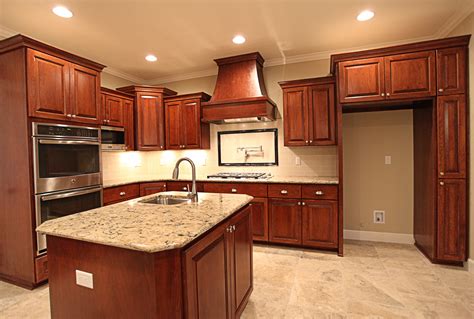
When the delivery team slid the Counter Depth into place, I was immediately struck by the change in the room’s geometry. In my experience, most people underestimate how much a refrigerator dictates the "path of travel" in a kitchen. What I found was that those extra few inches of floor space changed the entire atmosphere of my cooking area. For the first time, my kitchen looked like the ones in the brochures—sleek, intentional, and built-in, without the $10,000 price tag of a true integrated custom unit.
After testing for the first few weeks, I noticed that the shallower profile didn't just help the floor plan; it changed how I interacted with my food. There is a psychological component to a standard-depth fridge where leftovers go to die in the "dark zone" at the back. With this unit, everything is within sight and reach. I was surprised by how much less food waste I had because I could actually see the jar of pickles or the container of pesto without having to move five other items out of the way. It forces a level of organization that I didn't realize I was missing.
Detailed Product Analysis: Living with the Limitations
I want to be honest: there is a learning curve when you switch to a counter-depth model. One thing that bothered me initially was the loss of raw cubic footage. On paper, you are losing about 4 to 6 cubic feet compared to a full-size monster. In my experience, this was most evident when I tried to fit a full-sized pizza box inside on a Friday night. It simply wouldn't fit without being tilted or having the pizza transferred to plates. If you are someone who frequently hosts large parties or buys in massive bulk, this is a real adjustment you need to consider.
However, what the Counter Depth lacks in depth, it usually makes up for in sophisticated internal electronics and shelving. The model I chose features digital sensors that monitor humidity in specific zones. I noticed that my leafy greens were lasting significantly longer—nearly ten days for spinach—compared to my old unit where things would wilt within four. The precision of the cooling is where the "electronics" side of this appliance really shines. In the past, I dealt with "hot spots" in the door or "ice spots" at the very back. Dealing with the Counter Depth for the last half-year, the air circulation seems much more uniform because the air doesn't have as much volume to struggle through.
I also appreciated the LED lighting layout. Because the unit is shallower, the manufacturers tend to place lights on the sides as well as the top. This creates a "stage lighting" effect where nothing is shadowed. It sounds like a minor detail, but when I’m hunting for a snack at 11 PM, being able to see every corner of every shelf makes the experience feel much more premium than it actually is. The touch-sensitive controls on the exterior are responsive and haven't lagged once, which was a concern of mine when I first saw the high-tech interface.
The Practicality of the Layout
One finding that surprised me was the freezer performance. Many people complain that counter-depth freezers are "cramped." While I did have to get creative with how I stack my frozen meats, I found that the drawer systems in modern counter-depth units are much more efficient than the old wire baskets. I’ve been using the multi-tier freezer drawer to separate things by "frequency of use." Ice cream and quick snacks on top; bulk meats and frozen veggies on the bottom. It works, but you have to be disciplined. You cannot just "throw" things in; you have to place them.
A specific disappointment I encountered was the door bin width. Because the doors have to be thick enough to house insulation and potentially water dispensers, the actual shelf space on the inside of the door can feel a bit narrow. I found that oversized gallon-sized milk jugs felt like a tight squeeze, and I actually ended up switching to half-gallon containers just to keep the door from feeling overcrowded. It’s a small compromise, but something a real owner would notice within the first forty-eight hours.
Find top-rated Electronics products at great prices.
Browse Now →Pros and Cons After Six Months of Use
- Pro: Aesthetic Integration. The kitchen immediately feels larger and more high-end because the appliance aligns with the cabinets.
- Pro: Visibility. Zero "food graveyards" at the back of the fridge; you see everything you own at a glance.
- Pro: Precision Cooling. The electronic temperature management in these specialized units is often superior to entry-level standard models.
- Pro: Traffic Flow. Reclaiming those 6-10 inches of floor space makes it much easier for two people to cook in the kitchen simultaneously.
- Con: Capacity Constraints. You will feel the loss of space if you are used to a high-volume lifestyle or frequent Costco runs.
- Con: Pizza Box Problems. Large, flat items (like party platters or oversized boxes) often require creative repositioning.
- Con: Price-to-Volume Ratio. You often pay a premium for "less" actual space because the engineering required to make things thinner is more complex.
Technical Comparison: Standard vs. Counter Depth
| Feature | Standard Depth Unit | Counter Depth Unit |
|---|---|---|
| Total Depth | 30 - 36 inches | 24 - 28 inches (excluding handles) |
| Average Capacity | 25 - 30 cubic feet | 20 - 24 cubic feet |
| Kitchen Footprint | Significant protrusion into floor space | Flush or near-flush with cabinetry |
| Visibility | Deep shelves lead to hidden items | Shallow shelves keep all items visible |
| Installation Look | Freestanding/Bulky | Sleek/Semi-built-in |
Buying Guide: Is It Right for Your Home?
Before you commit to the Counter Depth, you need to do more than just measure your opening. In my experience, the biggest mistake people make is not measuring the "door swing." Because these units sit flush with your cabinets, the doors need a specific amount of clearance to open wide enough for the drawers to pull out. I found that if my fridge was too close to a side wall, I couldn't open the door past 90 degrees, which meant I couldn't remove the crisper drawers for cleaning. Always check the manufacturer's clearance requirements for a 90-degree and 115-degree swing.
Another thing I noticed during my research phase was the variety of cooling technologies. If you're buying a Counter Depth, look for models with dual evaporators. Because the volume is smaller, keeping the humidity levels separate for the fridge and freezer is vital for preventing your ice from tasting like the onions in your crisper. I noticed a distinct difference in food freshness between the single-evaporator models I tested in-store and the dual-evaporator model I eventually brought home.
Consider your family size honestly. I live in a two-person household, and for us, the Counter Depth is perfect. We shop twice a week for fresh ingredients. However, I often think about my sister who has four kids; she would likely find this fridge frustrating. If you do go this route and have a large family, you might find yourself needing a secondary "overflow" fridge in the garage for drinks and bulk items. I’ve seen several neighbors do exactly this—they keep the stylish Counter Depth in the kitchen for daily use and a cheap standard model elsewhere for the heavy lifting.
Finally, pay attention to the handles. When space is at a premium, "pro-style" handles that stick out can negate some of the space-saving benefits. I opted for a model with recessed pocket handles. It further slimmed down the profile and prevented my kids from running into the handles as they dashed through the kitchen. It’s a cleaner look and much more functional in tight galleys.
Advanced Features and Daily Life
After several months, I’ve started to appreciate the smaller electronic features that I initially dismissed as "gimmicks." For instance, the door alarm. Because counter-depth doors are often lighter, they don't always swing shut with the same momentum as a heavy standard door. I found myself leaving it cracked open a few times in the first week. The gentle electronic chime has saved my groceries more times than I care to admit.
I also found the "Power Cool" feature incredibly useful. When I come home from the store and load in room-temperature drinks or groceries, I can trigger a burst of cold air via the front panel that brings the internal temperature back down rapidly. It’s these touches—the marriage of software and hardware—that make the modern Counter Depth feel like a piece of high-end electronics rather than just a cold box. I was surprised by how much I use the Wi-Fi connectivity as well. Getting a notification on my phone that the water filter needs changing or that the temperature has spiked due to a power outage provides a level of peace of mind I didn't know I needed.
One disappointment I should mention is the noise level during the ice-making cycle. In a unit that is thinner, there is naturally less sound dampening between the mechanical parts and your kitchen. While the compressor itself is whisper-quiet, the sound of ice dropping into the plastic bin sounds like a drum set in the middle of the night. It isn't a dealbreaker for me, but if you have a studio apartment or your bedroom is right off the kitchen, you might notice it more than you’d like.
Shop the latest Electronics picks on Amazon.
View Offers →The Evolution of My Cooking Habits
What I didn't expect when I bought the Counter Depth was how it would fundamentally change my cooking habits. Because I can't store massive amounts of "maybe I'll use this someday" condiments, my fridge stayed cleaner. I began to treat my refrigerator more like a "freshness station" and less like a storage locker. My meals became more ingredient-focused because I was buying what I needed for the next three days rather than the next three weeks. I found that I was eating better and cooking more creatively because I was constantly aware of what was in stock.
I also realized that the shallower shelves made cleaning the unit a breeze. In my old fridge, cleaning the back of the bottom shelf required a yoga-like pose and a flashlight. Now, I can wipe down the entire interior in under ten minutes. It’s a quality-of-life improvement that doesn't usually show up in the marketing materials, but as someone who values a tidy home, it’s been one of my favorite discoveries.
There's also the "social" aspect. Every single person who has walked into my kitchen since the installation has commented on the fridge. It’s strange to say that an appliance can be a conversation starter, but the way it transforms the cabinetry into a "custom look" really catches people's eyes. It makes the kitchen look more expensive than it was to renovate. There is a certain satisfaction in knowing that a simple change in the depth of an electronic appliance could have such a disproportionate impact on the overall aesthetic of the home.
Final Thoughts on the Transition
In my experience, the move to a Counter Depth is a move toward intentionality. You are choosing style, ergonomics, and visibility over raw, unorganized volume. After testing this unit through holidays, dinner parties, and standard Tuesday nights, I can say that I don't miss the extra depth. I miss the "clutter" even less. What I found was that the kitchen became a more streamlined, professional-feeling space where I actually enjoyed spending time.
If you are looking to refresh your kitchen without a full tear-down, changing your refrigerator to a counter-depth model is perhaps the single most effective "hack" available. You lose a little bit of space, but you gain a kitchen that flows, a food supply that stays visible and fresh, and a modern aesthetic that makes your home feel current. It isn't just a trend; it's a better way to design the heart of the home. I went into this purchase worried about what I was losing, but after six months, I only see what I’ve gained.