Vivobook 16 M1605 2023 Specs, Features, and Value: Is it worth the price tag?
In the rapidly evolving landscape of mid-range laptops, ASUS has consistently carved out a significant niche with its Vivobook lineup. The 2023 release of the ASUS Vivobook 16 (M1605) represents a strategic attempt to bridge the gap between portable productivity and expansive screen real estate. As modern workflows shift toward hybrid models and digital consumption demands more visual breathing room, the 16-inch form factor has become the new "sweet spot" for many users who find 13-inch screens too cramped and 17-inch machines too cumbersome. This article provides an exhaustive analysis of the M1605 model, scrutinizing its technical specifications, daily usability, and overall value proposition in a crowded market.
Introduction to the ASUS Vivobook 16 M1605 (2023)
The ASUS Vivobook 16 M1605 2023 is designed as a versatile "all-rounder." It targets students, office professionals, and casual creators who need a reliable machine that doesn't break the bank. Unlike the high-end Zenbook series, which focuses on premium materials and ultra-thin profiles, the Vivobook series centers on delivering high-performance internals and functional design at a competitive price. The M1605 specifically utilizes AMD Ryzen processors, which have gained a reputation for impressive multi-core performance and energy efficiency, making them ideal for the workload of the modern creative or office worker.
At first glance, the Vivobook 16 M1605 appears modest but sophisticated. It maintains the classic ASUS aesthetic with a clean lid, subtle branding, and a chassis that feels sturdy despite its predominantly plastic construction. However, the true appeal of this model lies beneath the surface and within its expansive display. With the 2023 refresh, ASUS has integrated updated hardware, improved thermal management, and a focus on user comfort through features like the ASUS ErgoSense keyboard and Antimicrobial Guard. In the following sections, we will break down exactly what this machine offers and whether it justifies its position on the retail shelf.
Detailed Product Analysis and Specifications
To understand the value of the Vivobook 16 M1605, one must look at the synergy between its various hardware components. This laptop is not built for high-end gaming or professional 8K video editing, but it is exceptionally well-equipped for "heavy lifting" in the context of general productivity.
The Heart of the Machine: AMD Ryzen Performance
The M1605 variant is powered by the AMD Ryzen 7000 Series processors. Depending on the specific configuration, users typically find the Ryzen 5 7530U or the Ryzen 7 7730U. These chips are based on the Zen 3 architecture, which, while not the absolute cutting edge (Zen 4), provides a highly refined and stable platform. The Ryzen 7 7730U, for instance, offers 8 cores and 16 threads, which is a massive amount of power for multitasking.
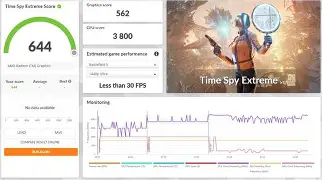
In real-world use cases, this means the Vivobook 16 can comfortably handle dozens of browser tabs, intensive Excel spreadsheets, and simultaneous video conferencing without stuttering. For students who need to run statistical software or casual creators editing 1080p video for social media, the M1605 offers more than enough headroom. The integrated AMD Radeon Graphics also provide enough punch for light photo editing and casual gaming titles like League of Legends or Minecraft, though it remains a productivity-first device.
Display and Visual Experience
The "16" in the name refers to the 16-inch display, which features a 16:10 aspect ratio. This is a critical design choice that buyers should prioritize. Traditional 16:9 screens are wide but short; the 16:10 ratio adds vertical height, which is invaluable for reading documents, coding, or browsing the web. You simply see more of your work without scrolling as often.
The panel is typically a WUXGA (1920 x 1200) IPS-level display. While it doesn't offer the deep blacks of an OLED panel (available on the more expensive Vivobook S or Pro models), the matte anti-glare coating makes it very practical for use in brightly lit offices or near windows. The color accuracy usually covers about 45% of the NTSC gamut, which is standard for this price range. This means it is great for office work and movies, but professional photographers might find it lacks the color depth required for color-critical work.
Physical Build and Portability
Measuring about 19.9mm thin and weighing approximately 1.88kg (roughly 4.14 lbs), the Vivobook 16 is surprisingly portable for its size. It fits into most standard backpacks designed for 15-inch laptops thanks to the slim "NanoEdge" bezels around the screen. The 180-degree lay-flat hinge is a nice touch, allowing for easy collaboration when sharing the screen with someone sitting across a table.
One unique feature ASUS includes is the ASUS Antimicrobial Guard. This is a special surface treatment applied to the most frequently touched areas—the keyboard, touchpad, and palm rest. ASUS claims this inhibits the growth of bacteria by over 99% over a 24-hour period, a feature that has become increasingly popular in a post-pandemic world among health-conscious consumers and students sharing lab spaces.
Discover deals on Electronics — updated daily.
View Offers →Keyboard, Touchpad, and Connectivity
The ASUS ErgoSense keyboard is a standout feature. It offers 1.4mm of key travel, which provides a tactile, "springy" feel that makes long-form typing comfortable. Unlike many 13-inch laptops, the Vivobook 16 includes a full numeric keypad, a major "pro" for accountants, data entry clerks, and students in STEM fields. The touchpad is large and smooth, supporting multi-touch gestures, and many models include a fingerprint sensor integrated into the corner for secure, fast login via Windows Hello.
Connectivity is another area where the M1605 shines. It includes:
- 1x USB 3.2 Gen 1 Type-C (supporting power delivery)
- 2x USB 3.2 Gen 1 Type-A
- 1x USB 2.0 Type-A
- 1x HDMI 1.4
- 1x 3.5mm Combo Audio Jack
- 1x DC-in for charging
Specifications Overview Table
The following table summarizes the core technical aspects of the Vivobook 16 M1605 (2023) to provide a quick reference for potential buyers.
| Component | Details (Typical Configuration) |
|---|---|
| Processor | AMD Ryzen 5 7530U or Ryzen 7 7730U (Up to 8 cores) |
| Graphics | Integrated AMD Radeon Graphics |
| Memory (RAM) | 8GB or 16GB DDR4 (Often expandable via 1x SO-DIMM slot) |
| Storage | 256GB / 512GB / 1TB M.2 NVMe PCIe 3.0 SSD |
| Display | 16-inch WUXGA (1920x1200), 16:10, IPS-level, Anti-glare |
| Battery | 42Wh or 50Wh 3-cell Li-ion (Supports fast charging) |
| Weight | Approx. 1.88 kg (4.14 lbs) |
| Operating System | Windows 11 Home |
Pros and Cons
Every laptop involves trade-offs to reach a specific price point. Here is a breakdown of what makes the Vivobook 16 M1605 a great choice, and where it might fall short for some users.
Pros
- Expansive 16:10 Display: The extra vertical space is a game-changer for productivity and document editing compared to standard widescreen laptops.
- Strong Multicore Performance: The Ryzen 7000 series chips are efficient and powerful, handling multitasking with ease.
- Full Keyboard with Numpad: Excellent for professionals who work with numbers frequently.
- Antimicrobial Coating: Practical for users in shared environments or those concerned with hygiene.
- Upgradability: Unlike many modern thin-and-lights, the Vivobook usually features a RAM slot that allows for future memory upgrades.
- Physical Webcam Shield: Provides instant peace of mind for privacy without needing tape or stickers.
Cons
- Plastic Build Quality: While sturdy, it doesn't have the premium "cold-to-the-touch" feel of aluminum chassis.
- Average Color Accuracy: The screen is not suitable for professional-grade photo or video color grading.
- No Thunderbolt Support: As an AMD-based machine, it lacks Intel’s proprietary Thunderbolt, though the USB-C port is functional.
- Port Selection: The presence of a USB 2.0 port feels outdated, and an SD card reader is noticeably absent.
- Battery Life: The 42Wh/50Wh battery is modest for a 16-inch screen; it will get you through a few hours but may struggle with a full 8-hour workday of heavy use.
Buying Guide: Is the Vivobook 16 M1605 Right for You?
Choosing the right laptop depends heavily on what you intend to do with it. The Vivobook 16 M1605 sits in a specific category that appeals to three primary types of buyers.
The Student and Academic
For students, this laptop is an excellent value. The 16:10 screen makes it easy to have a textbook PDF open on one side of the screen and a Word document on the other. The Ryzen 5 or 7 processors are more than enough for anything excluding engineering CAD software or high-end game development. The antimicrobial guard is a subtle but valuable addition for those spending time in libraries and lecture halls. Verdict: Strongly Recommended for general studies.
The Home Office Professional
If your day consists of emails, Zoom calls, and managing spreadsheets, the Vivobook 16 is a workhorse. The full numeric keypad is a major efficiency booster. The webcam includes AI noise cancellation for clearer audio during meetings, which is a significant plus in a home environment with background noise. However, if you travel constantly, you might prefer a smaller 14-inch Vivobook. Verdict: Recommended for stationary or hybrid work.
The Content Creator
There is a nuance here. If you are a writer, blogger, or a casual YouTuber, this laptop is great. If you are a professional videographer or graphic designer, the screen's color gamut will be a bottleneck. You would be better off looking at the ASUS Vivobook Pro or Zenbook Pro series which feature OLED displays with 100% DCI-P3 color coverage. Verdict: Recommended for text and basic media; not for professional visuals.
Comparing 8GB vs. 16GB RAM
In 2023 and beyond, Windows 11 performs significantly better with 16GB of RAM. If you can find the 16GB model within your budget, it is well worth the extra investment. If you buy the 8GB version, check if your specific sub-model has an open SO-DIMM slot—ASUS often solders 8GB to the motherboard and leaves one slot open, allowing you to easily add another 8GB later.
Looking for the best Electronics deals on Amazon?
Browse Now →Real-World Use Cases
To truly understand the value, we look at how the Vivobook 16 M1605 performs in common scenarios. Consider a remote worker who needs to attend a video call while sharing a screen. The 8-core Ryzen 7 7730U handles the video encoding of the call while simultaneously running the background apps without the fan spinning up to an annoying whine. The 16-inch screen allows the user to see the video tiles of their colleagues alongside their presentation notes comfortably.
In a second scenario, consider a student using the laptop in a dimly lit lecture hall. The backlit keyboard makes typing easy, and the anti-glare screen prevents the overhead lights from creating distracting reflections. When the class is over, the fast-charging capability can pump the battery back up to 60% in about 49 minutes, ensuring the laptop is ready for an afternoon study session.
One minor gripe users often report is the "bloatware" or pre-installed software. ASUS includes the MyASUS app, which is actually quite useful for adjusting battery health charging limits and fan profiles, but other trial software might need to be uninstalled to keep the system feeling snappy. Once cleaned up, the NVMe SSD ensures that the system boots in less than 10 seconds and applications launch almost instantly.
Value Assessment: Is it worth the price tag?
The ASUS Vivobook 16 M1605 2023 usually retails in the "sweet spot" of the mid-range market. When comparing it to competitors like the Dell Inspiron 16 or the HP Pavilion 15/16, the Vivobook often stands out due to its slim bezels and the specific inclusion of the 16:10 display ratio, which some competitors still lack in their entry-to-mid-tier models.
The "Value" of this laptop comes from its longevity. Because it uses a 7000-series Ryzen chip and offers some degree of upgradability, it is a machine that will likely stay relevant for 4 to 5 years of general use. You are paying for a massive screen and high-end processing power while saving money on high-end chassis materials (like magnesium or aerospace-grade aluminum) and high-resolution OLED displays.
If you find this model on sale, it becomes one of the best price-to-performance deals on the market. Even at its standard MSRP, it is a fair price for a laptop that offers 80% of the experience of a premium flagship at nearly half the cost. The "price tag" is justified not by one single "wow" feature, but by the absence of any major deal-breakers for the average user.
Conclusion
The ASUS Vivobook 16 M1605 (2023) is a masterclass in balanced engineering. It doesn't try to be a gaming powerhouse or a thin-and-light fashion statement. Instead, it focuses on what matters most to the majority of buyers: a large and productive screen, a fast and reliable processor, and a comfortable typing experience. While the plastic build and average color accuracy remind you that this is a mid-range device, the overall performance and thoughtful features like the antimicrobial coating and 16:10 aspect ratio push it ahead of many rivals.
For those who need a large-screen laptop for work or school and want to ensure their money is spent on performance rather than aesthetics, the M1605 is an excellent investment. It is a reliable, high-functioning tool that handles the rigors of modern digital life with surprising grace. If you can live with its modest battery life and plastic shell, you will find a machine that feels significantly more capable than its price tag suggests.