The Ultimate Showdown: Unihertz Titan 2 vs Linksys RE7350 for 2026
Introduction
Buyers in 2026 juggle an expanding list of connectivity expectations: always-on cellular, rock-solid local Wi‑Fi, long battery life, durability, and easy setup. The Unihertz Titan 2 and the Linksys RE7350 target two very different parts of that ecosystem. One is a rugged, productivity‑focused smartphone designed for users who need a device that can take a beating and keep working; the other is a compact Wi‑Fi range extender meant to plug gaps in home or small-office wireless coverage.
This article provides an impartial, practical comparison for readers weighing one or both of these devices. It covers how each performs in real‑world scenarios—fieldwork, travel, multi‑room homes, home offices and IoT-heavy households—what buyers typically care about, and how to decide which device (or combination) best fits a given set of needs.
Product deep dive and real‑world analysis
Unihertz Titan 2 — overview and practical use
The Unihertz Titan 2 is pitched at people who need a highly durable smartphone with enhanced physical controls and productivity features. It appeals to field technicians, outdoor enthusiasts, travelers, and anyone who prefers tactile input (a physical keyboard) or needs a handset that will survive knocks, drops, and wet conditions without a separate protective case.
Design and durability: The Titan 2 emphasizes toughness. Its chassis is built to withstand rough handling, with reinforced corners and seals that limit dust and water ingress. For those who work outdoors—construction sites, agricultural settings, or maritime environments—this type of build reduces worry about a single mishap taking the device out of service.
Productivity and input: A defining trait is the physical keyboard and large form factor designed for two‑handed use. Users who frequently write long messages, dispatch reports, or code simple scripts on the go will find the tactile feedback helpful. Field crews and emergency responders often favor physical keys for reliability under gloves or in wet conditions.
Connectivity and battery: The Titan 2 is intended to be a go‑anywhere phone, with cellular radios that support broad network bands and strong battery capacity to last through extended shifts without frequent recharges. This is a meaningful advantage for travelers and professionals operating away from reliable power for days at a time.
Find top-rated Laptops & Computers products at great prices.
Browse Now →Software and ecosystem: As with many niche phones, software experience and update cadence can vary. Buyers should expect a near‑stock Android experience augmented by utilities for hardware keys and rugged‑mode settings. Those who rely on long‑term firmware updates should check the vendor’s track record and community feedback before purchase.
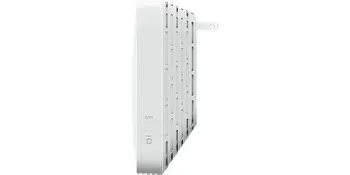
Linksys RE7350 — overview and practical use
The Linksys RE7350 is a consumer‑oriented Wi‑Fi range extender designed to expand wireless coverage in homes and small offices. Its value proposition centers on straightforward setup, compatibility with existing routers (including mesh systems in some cases), and improving throughput in dead zones—stairwells, basements, or far‑flung bedrooms.

Design and installation: The RE7350 is compact and typically plugs directly into a wall outlet, making it unobtrusive and easy to relocate. Its setup workflow tends to be app‑guided, which helps nontechnical buyers add coverage without wrestling with advanced network settings.
Performance and real‑world throughput: In practice, a good extender like the RE7350 raises usable signal levels for streaming, video calls, and smart home devices that previously struggled. Results depend heavily on placement. Placing the extender midway between the router and the area with poor coverage is essential; misplacement can degrade performance by creating a weak link to the router.
Compatibility and features: Modern extenders often support dual‑band operation and can bridge between older routers and newer devices. They can also offer features like band steering, WPA3 support for improved security, and basic QoS. For homes with multiple smart devices, a stable extender prevents frequent re-pairing and helps maintain steady video and voice performance.
Shop the latest Laptops & Computers picks on Amazon.
Shop Amazon →Pros & Cons
Unihertz Titan 2 — Pros & Cons
- Pros
- Rugged construction for drop, water, and dust resistance—built for demanding environments.
- Physical QWERTY keyboard and large form factor that improves productivity for text‑heavy workflows.
- Long battery life suitable for multi‑day field work or travel without frequent charging.
- Versatile cellular connectivity that keeps users online where Wi‑Fi is unreliable or unavailable.
- Cons
- Bulkier and heavier than mainstream smartphones—less pocket friendly for daily commuters who prefer thin devices.
- Software update cadence may lag behind mainstream brands; buyers should verify update policy.
- Specialized form factor (keyboard + ruggedness) means compromises in camera aesthetics and slim design.
Linksys RE7350 — Pros & Cons
- Pros
- Simple, plug‑and‑play setup that makes it accessible to nontechnical users.
- Improves Wi‑Fi coverage and stability in dead zones for streaming, conferencing, and smart devices.
- Small footprint and flexible placement options with wall‑plug design.
- Compatibility with a broad range of routers and mesh systems, easing integration into existing networks.
- Cons
- Performance gains are highly placement‑dependent—poor placement can yield little or no improvement.
- Extending Wi‑Fi often reduces peak throughput compared with a wired access point or full mesh node.
- Firmware and security update support vary by vendor; regular checks are recommended.
Head‑to‑head comparison
The following table summarizes how the two products map to typical buyer priorities. They are fundamentally different tools, so the table highlights primary strengths and trade‑offs rather than trying to force parity on features that aren’t comparable (a phone versus a network device).
| Category | Unihertz Titan 2 | Linksys RE7350 |
|---|---|---|
| Product type | Rugged smartphone with physical keyboard for productivity and field use | Wi‑Fi range extender for home/small‑office coverage expansion |
| Primary use cases | Fieldwork, travel, workers who need toughness and physical keys | Eliminating home dead zones, improving streaming and video calls |
| Connectivity | Cellular first with Wi‑Fi for local networks; works offline and on mobile networks | Local Wi‑Fi only; relies on upstream router for internet |
| Durability | Ruggedized—drop and weather resistant | Consumer electronics—no special ruggedization |
| Ease of setup | Typical smartphone setup; may require carrier provisioning | App or web setup; designed to be plug‑and‑play |
| Best for | Professionals who need a single device for communication and field tasks | Homeowners and small offices needing simple Wi‑Fi coverage fixes |
Real‑world scenarios and which device to choose
Readers often ask: “Which one should I buy?” The honest answer: many households and small businesses will benefit from both devices, because they solve different problems. Below are practical scenarios to guide decision‑making.
Scenario: Remote field technician or outdoor worker
The Titan 2 is the clear fit. It provides reliable cellular backup when on‑site Wi‑Fi is absent or when site routers are down. The rugged build and long battery life reduce downtime and protect the investment in environments where consumer phones fail quickly.