The Real Truth: Klipsch Flexus Core 100 or Sharp Aquos Qled Tv 4T C55Hp7050U?
Choosing between an audio-focused upgrade and a visual centerpiece is a common dilemma for buyers assembling a living-room entertainment system. The Klipsch Flexus Core 100 and the Sharp Aquos QLED TV 4T C55HP7050U represent two different approaches to improving the viewing experience: one prioritizes sound and clarity, the other prioritizes picture and an all-in-one display. This article examines each product from a practical, real-world perspective, compares them directly, and provides a buying guide to help readers decide which option better fits their needs.
Introduction: What buyers really need to consider
When deciding between a dedicated audio component and a new television, buyers should consider what currently limits their experience: is the picture underwhelming, or is the built-in audio the weak link? Typical buyers care about image fidelity, color and brightness for bright rooms, dialogue clarity for TV shows, bass performance for films and music, connectivity for consoles and streaming devices, and ease of setup. Budget, room size, and whether the purchase should solve one specific problem or upgrade the whole setup will drive the right choice.
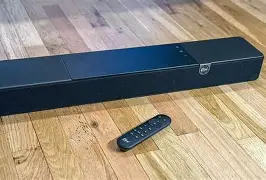
Klipsch Flexus Core 100 — detailed product review and analysis
The Klipsch Flexus Core 100 is positioned as an accessible way to significantly improve the audio side of a TV setup without a large footprint. As a compact sound system, its strengths are centered on clarity, speech intelligibility, and the ability to fill small to medium rooms with better sound than most TV speakers.
Design and build
The Core 100 emphasizes a slim profile that can sit under a TV or be wall-mounted. Materials and finish tend toward the practical: robust plastics, speaker grilles that hide the drivers, and minimal visual intrusion. For living rooms where aesthetics matter, the understated look helps the soundbar blend into the setup rather than dominate it.
Sound signature and performance
Klipsch products historically favor an "engaging" signature—forward mids for clear dialogue and energetic treble for detail. The Flexus Core 100 typically follows that house sound, making voices and on-screen commentary easy to understand even at lower volumes. For film and TV viewing, this yields a noticeable improvement over thin built-in TV speakers.
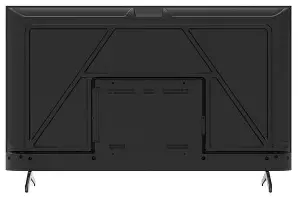
Bass capability on compact soundbars is always constrained by size. The Core 100 is likely to give tighter, controlled bass rather than room-shaking lows. For buyers who prioritize deep, impactful bass for action movies or music, adding a subwoofer (if available as an option) or choosing a larger home theater package will be necessary.
Connectivity and features
Practical connectivity is a key advantage of a modern soundbar. The Core 100 commonly provides HDMI (ARC/eARC), optical input, and Bluetooth for streaming music from phones. These options make it straightforward to connect game consoles, streaming boxes, and to route TV audio with minimal fuss. Ease of setup is a selling point: one HDMI cable to the TV and simple remote control mapping will get most users up and running quickly.
Real-world use cases
- Small apartments and bedrooms: The compact size and improved dialogue make it ideal where space is at a premium.
- Daily TV viewing and news: Viewers who watch talk shows, news, and sports will notice clearer speech and a more satisfying soundstage.
- Casual music listening: For background music and small gatherings, the soundbar performs well; audiophiles may want more dedicated stereo or sub support.
- Gaming: Reduced audio latency and clear positional cues can improve console or PC gaming immersion, though the very high-end gamer may still prefer a surround setup.
Pros & cons
- Pros: Compact form factor; clear dialogue and midrange presence; simple setup; better dynamics than most TV speakers; suitable for small to medium rooms.
- Cons: Limited deep bass without an external subwoofer; soundstage and immersion are narrower than a full surround or larger soundbar system; fewer advanced features than premium models (e.g., limited room calibration).
Sharp Aquos QLED TV 4T C55HP7050U — detailed product review and analysis
The Sharp Aquos QLED TV 4T C55HP7050U represents the display-first upgrade. QLED technology focuses on color volume and brightness, which can deliver punchy, vivid images in a variety of lighting conditions. For buyers who prioritize picture quality—especially for streaming 4K content, sports, and cinema—the Sharp Aquos aims to be a compelling, all-in-one choice.
Shop the latest TVs & Home Theater picks on Amazon.
View Offers →Design and panel characteristics
As a mid-to-large-size LED QLED television, visual design tends to be modern and slim, with narrow bezels that maximize screen real estate. The QLED panel improves color saturation and helps maintain brightness at higher levels, which is useful in living rooms with ambient light. Viewing angles on QLEDs are generally good for family rooms but may vary by panel type and local dimming implementation.
Picture quality and viewing experience
Where the Aquos QLED TV stands out is the perceived vibrancy of images: colors appear fuller and highlights retain more detail than what a standard LED panel offers, which is especially noticeable in HDR content. Motion handling tends to be adequate for sports and fast-paced action, and image upscaling for non-4K sources is an important everyday factor—consumers often have mixed source quality, so a TV's scaler can significantly affect satisfaction.
Smart features and interface
Modern Sharp TVs typically include a smart platform with the major streaming apps preinstalled, voice-assistant compatibility in some regions, and software features for app-based navigation. A buyer should confirm the exact smart platform and app availability in their market, as that can vary by region and firmware.
Audio quality
Like most flat-panel TVs, onboard speakers on the Aquos are designed to be thin and unobtrusive. They provide passable sound for everyday use—dialogue is understandable, and the overall audio is serviceable—but they do not match the depth, clarity, or dynamic range of a dedicated soundbar or speaker system. Buyers who value cinematic audio will likely couple a TV like this with external audio gear.
Real-world use cases
- Bright living rooms: Higher brightness and color volume play well in rooms with windows or daylight.
- Streaming and film nights: Viewers who prioritize image fidelity and HDR highlights will appreciate the QLED improvements.
- Casual gaming: A 55-inch screen with low input lag (if present) suits console gaming; buyers should verify gaming features like VRR and ALLM if that matters for their setup.
- Family rooms: The all-in-one nature means fewer devices to manage; the remote and smart platform handle most common needs.
Pros & cons
- Pros: Strong picture performance for movie and TV content; better brightness and color than standard LED TVs; large-screen immersion; all-in-one device with smart features.
- Cons: Built-in speakers are limited compared with external audio; a TV alone does not solve audio shortcomings; smart platform and software updates can vary by region and age.
Head-to-head comparison
These two products do not occupy the same category: one is an audio peripheral designed to upgrade sound, the other is a display that upgrades picture. A direct comparison is still useful to clarify trade-offs.
| Category | Klipsch Flexus Core 100 | Sharp Aquos QLED TV 4T C55HP7050U |
|---|---|---|
| Primary purpose | Improve audio quality and dialogue clarity | Deliver superior picture quality and serve as the main display |
| Best for | Small to medium rooms where TV sound is the limiting factor | Living rooms where picture fidelity and brightness are priorities |
| Sound performance | Substantially better than TV speakers; focused mids and clear vocals | Serviceable built-in audio but lacks depth and bass of dedicated speakers |
| Picture performance | Depends on TV—soundbar has no impact on panel quality | QLED panel for improved color and highlights; better HDR experience |
| Connectivity | Designed for easy TV integration (HDMI ARC/eARC, Bluetooth) | Multiple HDMI inputs, smart platform, likely ARC/eARC support |
| Ease of setup | Simple: one cable to TV in most cases | Plug-and-play as a TV; initial smart setup for networks/apps required |
| Upgrade path | Can be paired with any TV; easily added to existing systems | Adding a soundbar or AV system is common to address audio limits |
| Value proposition | High value if audio is the current weakness | High value if the current display is the bottleneck |
Buying guide: How to choose between them
Decisions should be driven by use case. The following checklist helps match priorities to the right purchase.
1. Identify the single biggest frustration
If the primary complaint is muffled dialogue, tinny sound, or lack of punch during movies, an audio upgrade like the Klipsch Flexus Core 100 solves those problems more directly and cost-effectively. If the frustration is washed-out colors, poor HDR highlights, or an undersized display for the room, a TV upgrade will make the more visible difference.
2. Consider room size and layout
Small to medium rooms benefit most from a compact soundbar plus an existing TV. Large living rooms and dedicated home theaters may require a larger TV and a multi-speaker audio system for balanced results. Match screen size to seating distance: too large a screen in a small room causes eye strain; too small a screen in a big room diminishes immersion.
Looking for the best TVs & Home Theater deals on Amazon?
View Offers →3. Think about content habits
- Mostly news, sitcoms, and streaming series: Prioritize dialogue clarity and choose the soundbar.
- Movies and HDR content: Value a better panel; the QLED TV will increase viewing enjoyment.
- Gaming: Check TV input lag and soundbar latency. Many gamers benefit from both improved picture and audio.
- Music listening: A dedicated audio system (or soundbar with sub) is preferable to TV speakers.
4. Compatibility and connectivity
Verify HDMI ARC/eARC and optical inputs. If planning to use a single remote or rely on TV-sourced audio formats, ensure the TV and soundbar are compatible with each other and with the desired surround or passthrough features. Confirm the number of HDMI inputs on the TV for consoles, streaming boxes, and other sources.
5. Future-proofing
Consider whether features like HDR performance, HDMI 2.1 (for high-frame-rate gaming), and firmware support matter. On the audio side, consider whether a soundbar can be expanded (add rear speakers or a subwoofer) to grow into a fuller setup later.
6. Budget and incremental upgrades
Upgrading audio alone is often the most cost-effective way to transform the day-to-day experience. Replacing a TV is a larger investment that affects aesthetics, size, and smart features. Many households choose a phased approach: buy a soundbar first to fix audio, then upgrade the TV later when the budget allows.
Practical advice for pairing the two
It is worth noting that these two items are not mutually exclusive. Pairing a TV like the Sharp Aquos QLED with a Klipsch soundbar yields the best of both worlds: superior image quality and significantly better audio. Key setup tips include:
- Use HDMI eARC when possible to preserve the highest audio fidelity and pass-through of multi-channel formats.
- Place the soundbar and sub (if used) to allow the sound to flow unobstructed—avoid blocking drivers with furniture.
- Run the TV's audio settings (dialogue enhancement, sound modes) in tandem with the soundbar settings to prevent double processing.
- Check for automatic lip-sync or audio delay correction if sound and picture feel out of sync.
Conclusion
The right choice between the Klipsch Flexus Core 100 and the Sharp Aquos QLED TV 4T C55HP7050U depends on which part of the home-theater chain is currently underperforming. For those whose primary complaint is poor sound—muffled dialogue or weak dynamics—the Klipsch soundbar provides a targeted, effective improvement with minimal setup and good value. For buyers who want a transformative change in image quality, color performance, and overall display size, the Sharp Aquos QLED TV is the better single-device upgrade.
Many households find the best compromise is a staged approach: improve audio first with a compact soundbar, then upgrade the screen when the budget or timing aligns. For anyone building a new system from scratch who wants a single purchase that advances the visual experience, prioritize the TV; for those trying to fix the immediate annoyance of poor sound, prioritize the soundbar. Ultimately, pairing a quality QLED display with a dedicated audio solution offers the most complete, satisfying experience when watching movies, gaming, or hosting weekend sports nights.