Should You Upgrade from LG B5 to Samsung F6000F LED TV?
Choosing whether to upgrade a television is as much about lifestyle and use-case as it is about pixels and specs. For owners of the LG B5 who are considering the Samsung F6000F LED TV, this article walks through the practical differences, real-world performance, and buying considerations that matter most to typical buyers: picture quality in different lighting, smart platform usability, gaming and input lag, sound performance, and long-term value. The aim is to provide an objective, useful guide so readers can decide whether the move makes sense for their living room, bedroom, or gaming setup.
At a glance: what each TV represents
The LG B5 is positioned as a reliable, entry-to-mid-level LED television in LG’s lineup. It typically focuses on providing balanced picture performance, user-friendly smart features, and value. The Samsung F6000F LED TV represents Samsung’s approach to mainstream LED televisions, often emphasizing brighter panels, vivid color rendition, and Samsung’s smart TV ecosystem.
Both models target everyday viewers: people who stream movies and TV shows, watch sports, occasionally game, and want a dependable set without the premium cost of high-end OLED or full-array local dimming sets. The key question is whether the differences justify an upgrade in money, setup effort, and expectations.
Detailed product analysis
Picture quality and panel characteristics
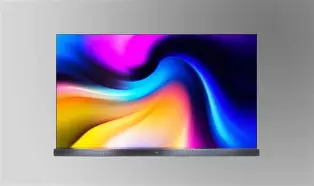
Picture quality is the most tangible reason to upgrade. The LG B5 delivers a generally pleasing image with accurate colors out of the box for SDR content and adequate upscaling of lower-resolution sources. Its strengths are consistency and neutral color balance, which is helpful for viewers who prefer natural-looking picture without oversaturation.
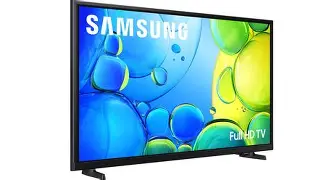
The Samsung F6000F tends to push brighter highlights and punchier colors, which can make HDR content and sports look more lively in bright rooms. Samsung historically tunes panels to emphasize contrast and perceived sharpness on mainstream models. In practice, that can mean highlights look more impressive and content has a “pop” that many buyers prefer, especially with broadcast TV, sports, and brighter streaming content.
However, the perceived advantage depends on room lighting. In darker rooms, the LG’s more restrained tone may feel more natural and less fatiguing, while the Samsung can appear overly vivid if the calibration isn’t adjusted. Conversely, in a sunny living room the Samsung’s brighter peak output helps maintain perceived contrast where the LG may look washed out.
Motion handling and sports
Both sets are LED-based and rely on panel refresh behavior and processing for motion. The LG B5 generally offers competent motion interpolation and edge enhancement that reduces blur on live sports, but like many mid-range LED TVs, it can show judder on certain camera pans depending on content and processing settings.
The Samsung F6000F often includes more aggressive motion processing options and might handle fast camera pans with slightly less blur out of the box. Users who primarily watch sports or action movies in real time may notice smoother motion on the Samsung, but motion interpolation preferences are subjective and some viewers prefer to disable aggressive smoothing for a more cinematic cadence.
Smart TV platform and usability
LG’s smart platform (WebOS) on B5 units has been praised for simplicity, fast navigation, and a card-based app layout. It’s straightforward for casual users who rely on a few streaming apps. Samsung’s Tizen platform on the F6000F is similarly full-featured, with a broad app catalog and frequent updates. Which is better comes down to app availability and personal preference for interface design: Tizen often offers richer app integrations and more customization for content aggregation, while WebOS emphasizes a lean, easy-to-navigate experience.
Find top-rated TVs & Home Theater products at great prices.
See Deals →Gaming and input lag
Gamers prioritizing low input lag and responsive performance should compare “Game Mode” measurements. Historically, Samsung’s mainstream LED models have offered competitive input lag in game mode, which benefits console players. The LG B5 is adequate for casual gaming but may show a few more milliseconds of lag compared with Samsung’s more gaming-tuned mainstream offerings.
For owners using next-gen consoles or PC with high frame rates, verify whether the Samsung supports features like variable refresh rate (VRR) and low-latency modes; these features improve responsiveness and reduce tearing. If competitive gaming is the priority, the upgrade can be worthwhile, provided the Samsung model includes the relevant gaming features for the user’s consoles.
Audio and out-of-the-box sound
Neither mid-range LED TV is likely to replace a dedicated soundbar, but their default audio characteristics differ. The LG B5 typically pursues a softer, more neutral sound profile—clear dialogue and balanced midrange. The Samsung often emphasizes perceived bass and presence, which can make movies sound fuller from the panel’s small speakers.
If room acoustics or an integrated audio experience are important, the Samsung’s slightly bolder sound may make it feel like an improvement without external speakers. However, for critical listening or home theater setups, both should be paired with a soundbar or external audio system for best results.
Design and build
Design differences are mostly aesthetic. The LG B5 focuses on a simple, functional design, while Samsung’s F6000F tends to favor a contemporary look with narrower bezels and slightly more premium-feeling stands. If TV placement, bezel width, or stand design matters—such as wall-mounting versus tabletop placement—consider how each model complements the room’s décor.
Pros & Cons
LG B5
- Pros: Balanced, natural color rendering; straightforward smart platform; typically good value; neutral sound profile suitable for general viewing.
- Cons: Less vivid HDR highlights compared with Samsung; may appear dimmer in very bright rooms; fewer aggressive gaming features on some model years.
Samsung F6000F
- Pros: Brighter highlights and punchier colors that suit bright rooms and sports; robust smart TV ecosystem; often competitive gaming input lag.
- Cons: Color tuning may feel oversaturated to some viewers; aggressive motion processing can create soap-opera effects; audio still limited without external speakers.
Feature comparison table
| Category | LG B5 | Samsung F6000F |
|---|---|---|
| Display type | LED LCD with standard LED backlight | LED LCD tuned for higher peak brightness |
| Picture tuning | Neutral, natural color profile | Punchier colors and stronger highlights |
| HDR performance | Good for SDR; modest HDR peak | Brighter HDR highlights; more impactful HDR in bright rooms |
| Smart OS | WebOS — simple navigation | Tizen — extensive app support and customization |
| Motion handling | Solid, conservative processing | More aggressive processing options |
| Gaming | Adequate input lag; basic game mode | Lower input lag on many units; advanced game features on some models |
| Audio | Neutral, clear dialogue | Full-bodied, more pronounced presence |
| Design | Functional, understated | Sleeker bezels, contemporary styling |
| Best for | Movie fans who prefer natural color and darker-room viewing | Sports and bright-room viewing; buyers who like vivid picture and gaming features |
Real-world use cases
Understanding how each TV performs in practical, everyday scenarios makes the decision easier.
Living room with lots of daylight
For households with bright living rooms or large windows, the Samsung F6000F’s brighter panel and vivid tuning generally offer a more satisfying picture. Sporting events, daytime TV, and family viewing benefit from the extra peak brightness and punchier colors that make content pop even with ambient light.
Home theater or dark room
In a dedicated dark-room setup, the LG B5’s restrained tuning often produces a more natural image that is easier on the eyes for long movie sessions. The less-aggressive color palette tends to preserve shadow detail and avoids the “too bright” feeling that some may find distracting in dim environments.
Looking for the best TVs & Home Theater deals on Amazon?
Browse Now →Casual and social gaming
If gaming is casual and primarily social (multiplayer couch play, story-driven single-player), either TV will satisfy. For competitive gamers who care about input lag and features like VRR, Samsung models in mainstream tiers commonly offer lower input lag and modern gaming options that may justify upgrading.
Streaming and smart features
Both smart platforms cover the major streaming services. Users who value an intuitive, minimal interface might prefer LG’s WebOS, but those who rely on app depth and content aggregation may find Samsung’s Tizen more flexible.
Buying guide: should a current LG B5 owner upgrade?
Deciding to upgrade involves weighing priorities versus cost. Here are practical guidelines to help determine whether to upgrade.
Ask these questions first
- What room will the TV be in? Bright rooms favor brighter panels; darker rooms reward nuanced color and shadow handling.
- What content do you watch most? Sports and daytime TV benefit from vivid, bright panels; film enthusiasts may prefer natural color and smoother motion for cinematic content.
- Do you game competitively? If low input lag and features like VRR matter, check the Samsung’s gaming spec sheet carefully.
- Are you satisfied with your current smart platform? If WebOS works well, switching to Tizen may not feel like a large functional gain; it’s more about personal preference.
- Budget and resale value — can the upgrade cost be justified by improved viewing experience or selling the old TV?
Practical upgrade triggers
- If the current TV struggles in a bright room and HDR content looks flat, an upgrade to a brighter Samsung panel is likely to be immediately noticeable.
- If gaming responsiveness has become more important with newer consoles and streaming, and the Samsung F6000F’s input lag and gaming features exceed the B5, the upgrade can be worth it.
- If the LG B5 is running well and the viewing habits haven’t changed, saving money and retaining the set may be the smarter choice—upgrades should solve a real pain point, not just chase marginal improvements.
Installation and compatibility considerations
When upgrading, check dimensions and mounting patterns for wall brackets, the location and number of HDMI inputs (especially if connecting multiple consoles, streaming boxes, and AV receivers), and whether the new TV supports the surround/audio passthrough workflow used in the existing setup. If the homeowner uses a soundbar or AVR, confirm ARC/eARC support and HDMI versions for best audio compatibility.
Calibration and settings
Out-of-the-box settings often favor vivid presentation. Whether upgrading or staying put, spend time in the settings menu to select a picture mode that fits the room—turn off or reduce aggressive motion interpolation if it introduces artifacts, use “Movie” or “Filmmaker” modes for a more accurate image, and tweak backlight/brightness for comfort. Basic calibration can significantly alter perceived value.
Conclusion
Upgrading from the LG B5 to the Samsung F6000F makes sense for buyers who primarily watch in bright rooms, want punchier HDR highlights for sports and daytime viewing, or need improved gaming responsiveness. The Samsung’s vivid tuning and smart platform provide tangible benefits in those scenarios. Conversely, owners who value a more natural picture in dark-room movie viewing, prefer the simplicity of WebOS, or who are satisfied with current performance may find little practical advantage in switching.
As with any TV upgrade, the best choice aligns with how the set is used day-to-day. If the LG B5 is showing its age in brightness and gaming responsiveness and those are pain points, the Samsung F6000F is a reasonable step up in mainstream LED performance. If those are not issues, the most cost-effective path may be to improve the existing setup—soundbar, calibration, and viewing environment adjustments—before committing to a new purchase.